


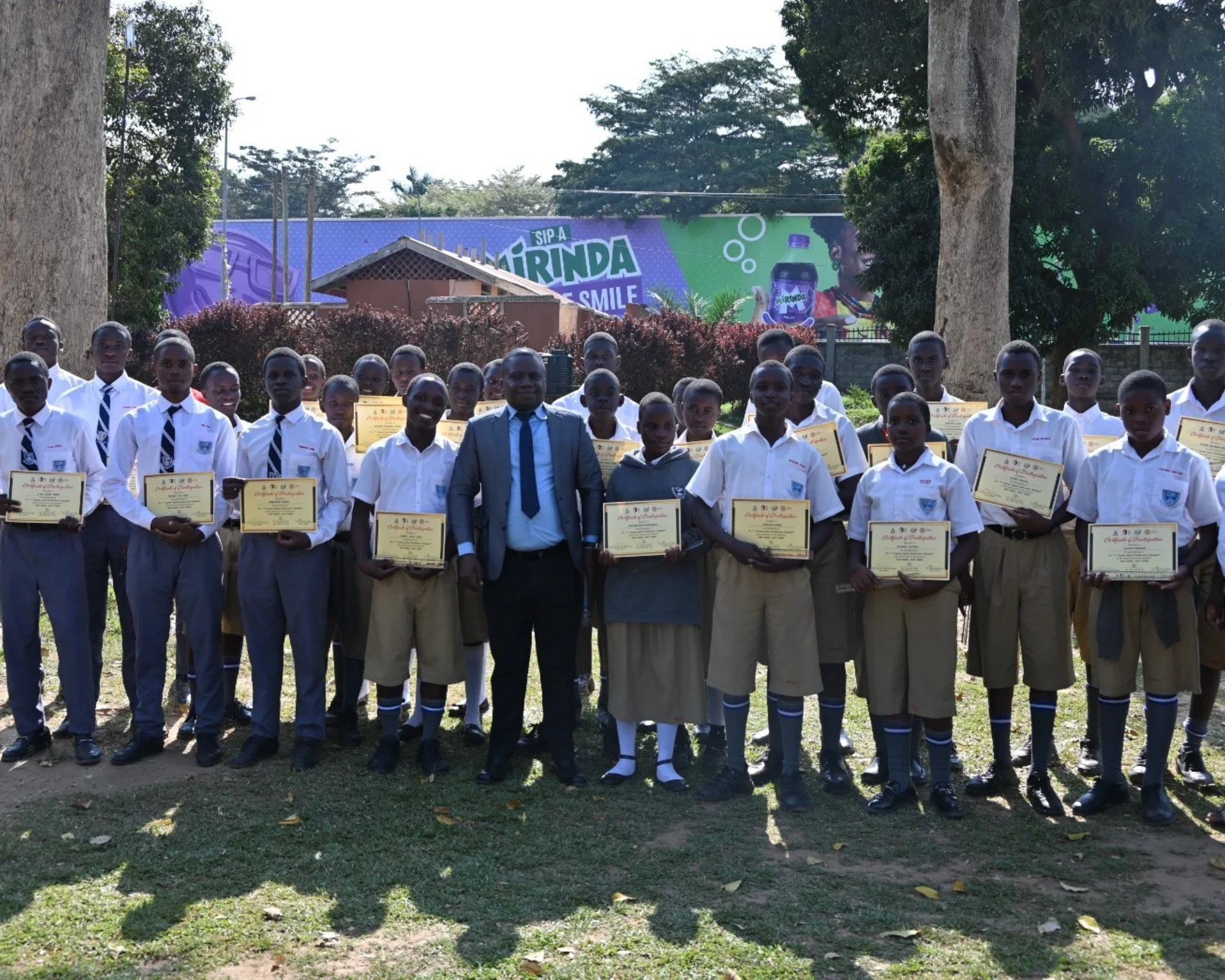
Following successful mentorship visits across nine schools in rural Uganda, Words That Count, together with the Association of Women Mathematicians Uganda (AWoM) engaged the schools in mathematical modeling projects to support mathematics capacity building across the country.
In July 2026, participating schools submitted their completed project reports for assessment. 171 students from eight secondary schools, working in 43 groups, had taken part at the school level. Their projects explored issues including disease spread, water use and disease risk, food waste and plastic waste.
What came through in the submissions was a clear attempt to take mathematics beyond the classroom.
Students were not simply solving equations. They were identifying problems around them, working with data, developing mathematical models and thinking about possible solutions. Some groups examined how disease could spread within a school, while others explored ways of managing waste or understanding the relationship between water use and disease risk.
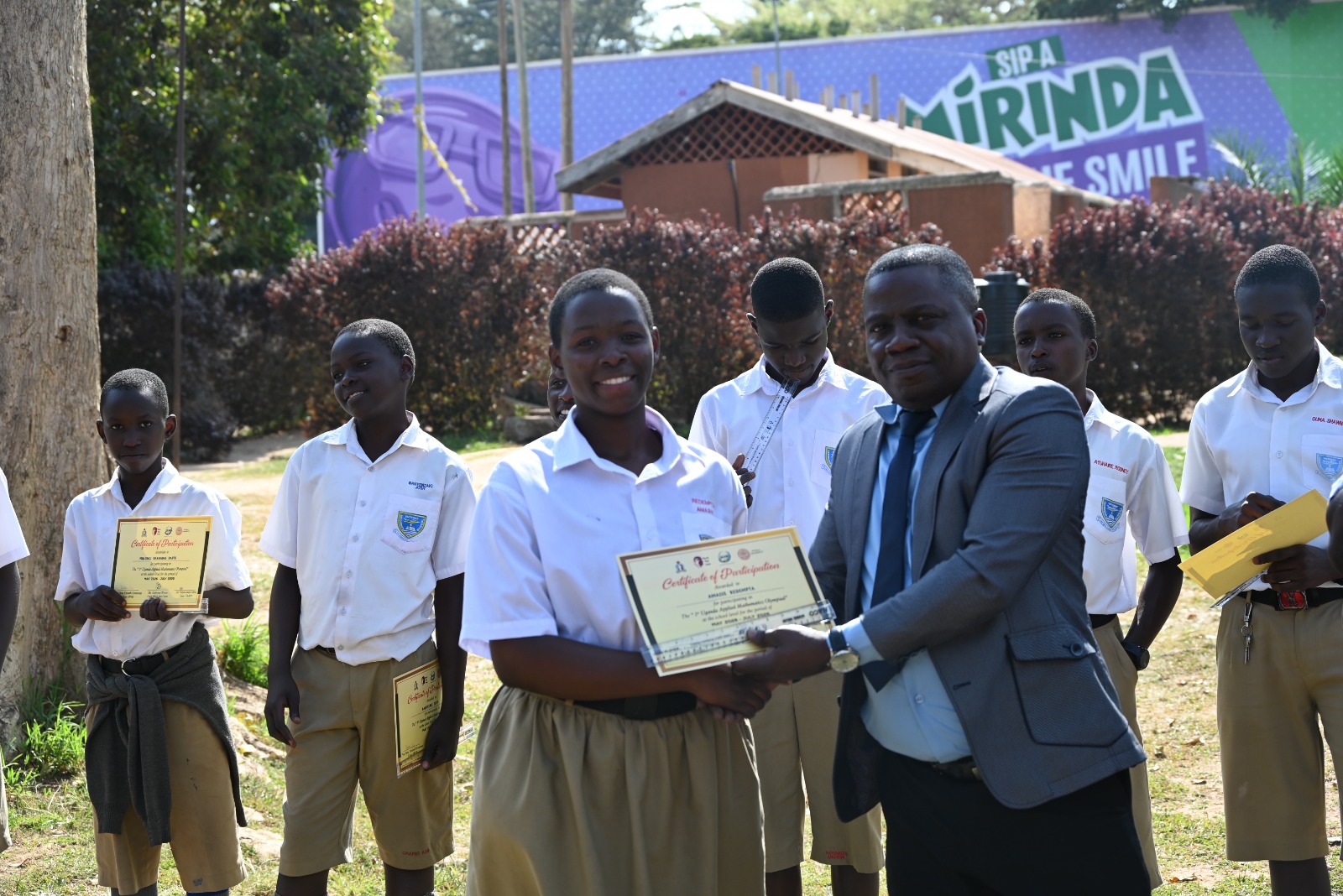
Seeing how students applied what they had learned
The school visits had already shown that the level of progress varied across schools. They also showed how much difference active teacher mentorship could make. Schools where teachers were closely involved in guiding students tended to show stronger project development.
The submitted reports provided a more complete picture.
The assessment looked beyond whether students had arrived at a mathematical answer. Projects were reviewed for problem identification, mathematical modelling, data use and analysis, innovation and feasibility, communication, competencies and skills, and values and ethics.
There were strong examples of students applying mathematical concepts to real-world problems, identifying problems creatively and using mathematical modelling in their work. At the same time, the assessment highlighted areas where students still need support, particularly in the depth of their analysis, the quality of data collection, model validation, presentation and connecting findings to practical recommendations.
That is part of what makes these initiatives valuable. The process is not only about selecting winners. It creates a space where students can practise skills that are difficult to develop through classroom exercises alone, while giving teachers and program partners a clearer picture of where further support is needed.
Taking the work forward
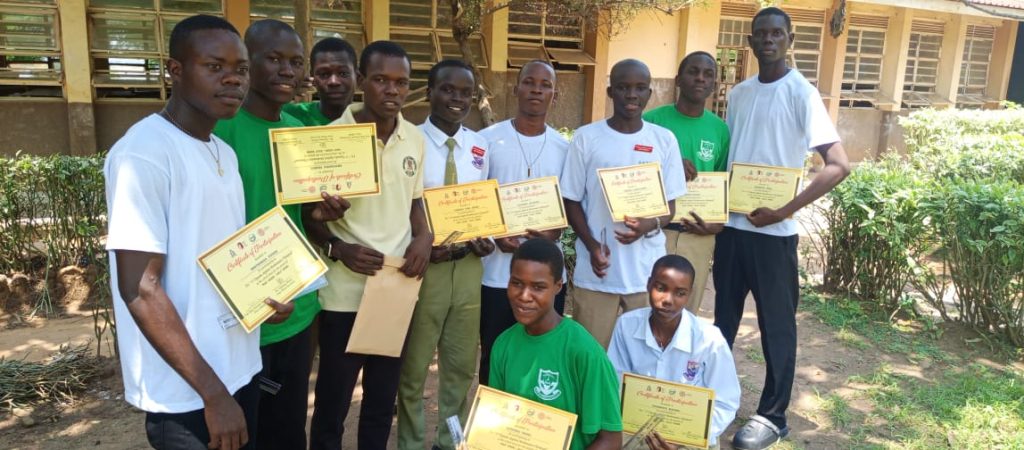
Following the assessment, 24 groups from the eight participating schools, representing 109 students, were selected to proceed to the national level. This included 77 girls and 32 boys.
The real value of an initiative like this is not captured in a single school visit or competition day. It is in what happens when students are given an opportunity, supported as they work through it, and then challenged to take their ideas further.
For Words That Count, supporting this process is part of our interest in creating more opportunities for young people to experience STEM as something they can actively use, not simply something they study.
The exercise formed a foundation for the Uganda Applied Mathematics Olympiad (UAMO) 2026 implementation. UAMO is also supported by the Makerere University Mathematical Society, Makerere University, Busitema University, Uppsala University, and Simplifi.