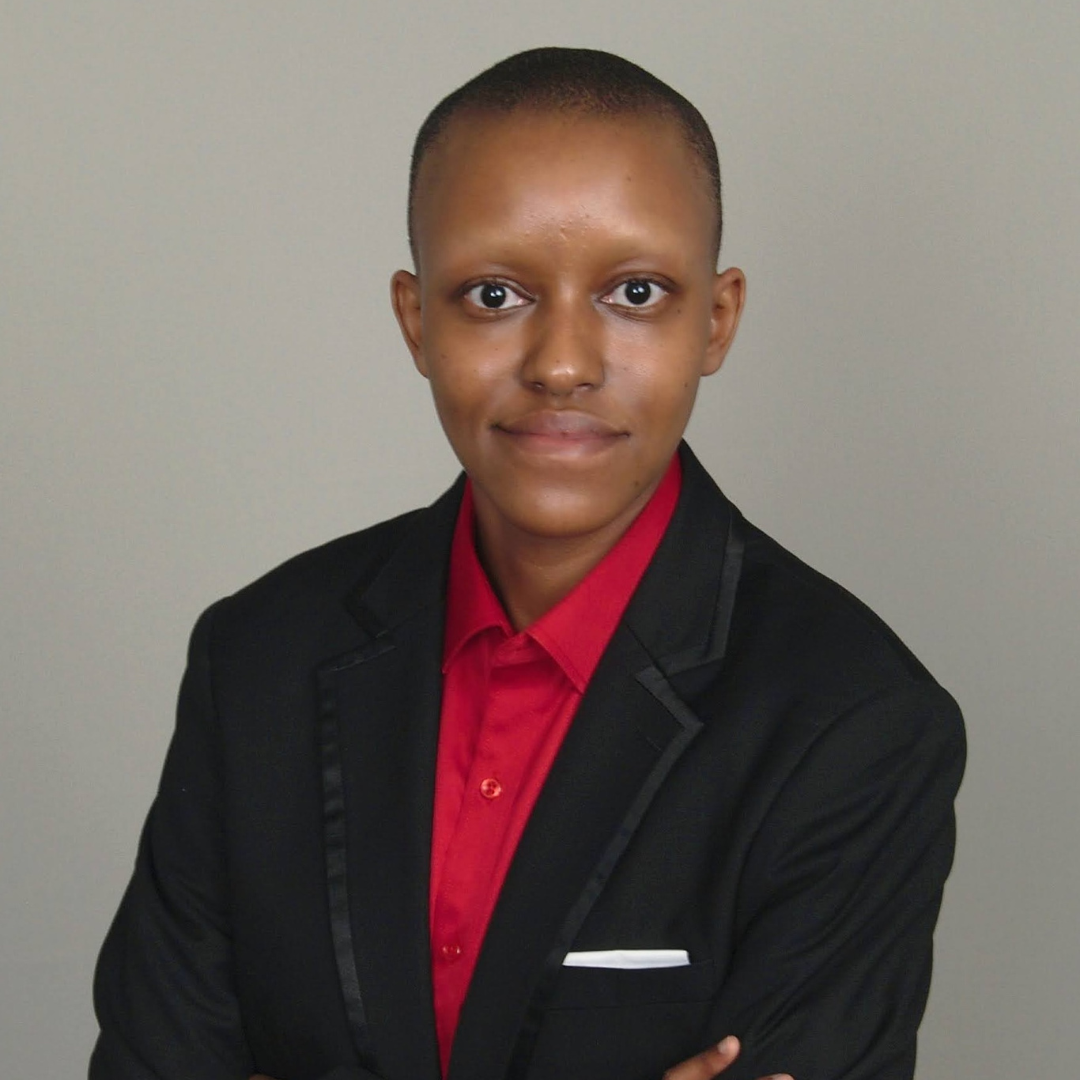
With the goal of making Africa a full participant in the global space economy, Wanjiku, an Astronaut-Candidate, works at the intersection of aerospace engineering and space technology. Her research focuses on spacecraft guidance, navigation, and control.
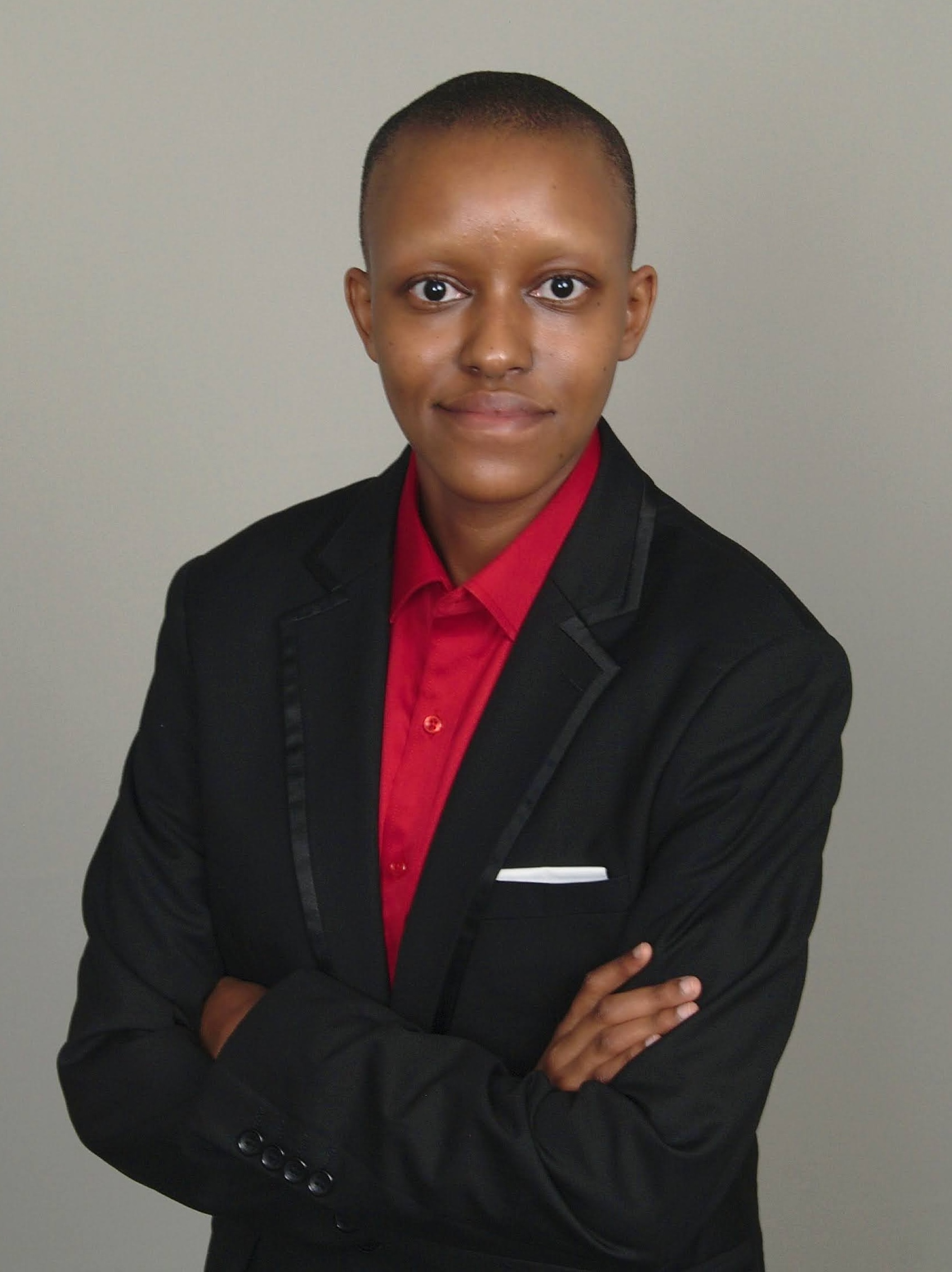
In this episode, she explains how her work can support satellite repair and space debris removal. She also shares her vision for Africa’s participation in the global space economy.
Hi Wanjiku. It is an honour to finally have this interaction. We have had many people nominate you for a feature. So, for us, this is a milestone
Thank you so much for this warm invitation. The work you do to make African women in STEM visible matters a great deal. Growing up in Nairobi, I rarely saw women who looked like me working in space, and I am honored to add my story to the more than 300 voices you have already shared.
Let’s begin with a brief introduction about yourself
My name is Wanjiku Chebet Kanjumba; I am Kenyan, and I currently live in Florida, USA.
I wear a few hats, and all of them point toward the same goal of making Africa a full participant in the global space economy.
I am a Ph.D. Candidate in the Mechanical and Aerospace Engineering department at the University of Florida. My dissertation research is in spacecraft guidance, navigation, and control. In simple terms, I design the “brain” that lets one spacecraft safely approach and capture another object in orbit that is tumbling and not cooperating, such as a dead satellite or a piece of debris. That capability matters for repairing satellites and for cleaning up space.
I am also the Co-Founder and CEO of Vicillion, an aerospace software company building coordination infrastructure for spaceports and orbits. The easiest way to describe it is air traffic control, but for space. Our flagship project is the Omega Spaceport initiative, a planned equatorial commercial spaceport on Kenya’s coast.
I am an R&D Career Astronaut-Candidate with Titans Space Industries, the first Kenyan selected for that role. Recently, I stepped into the position of Director of Spaceport Developments at Titans Space.
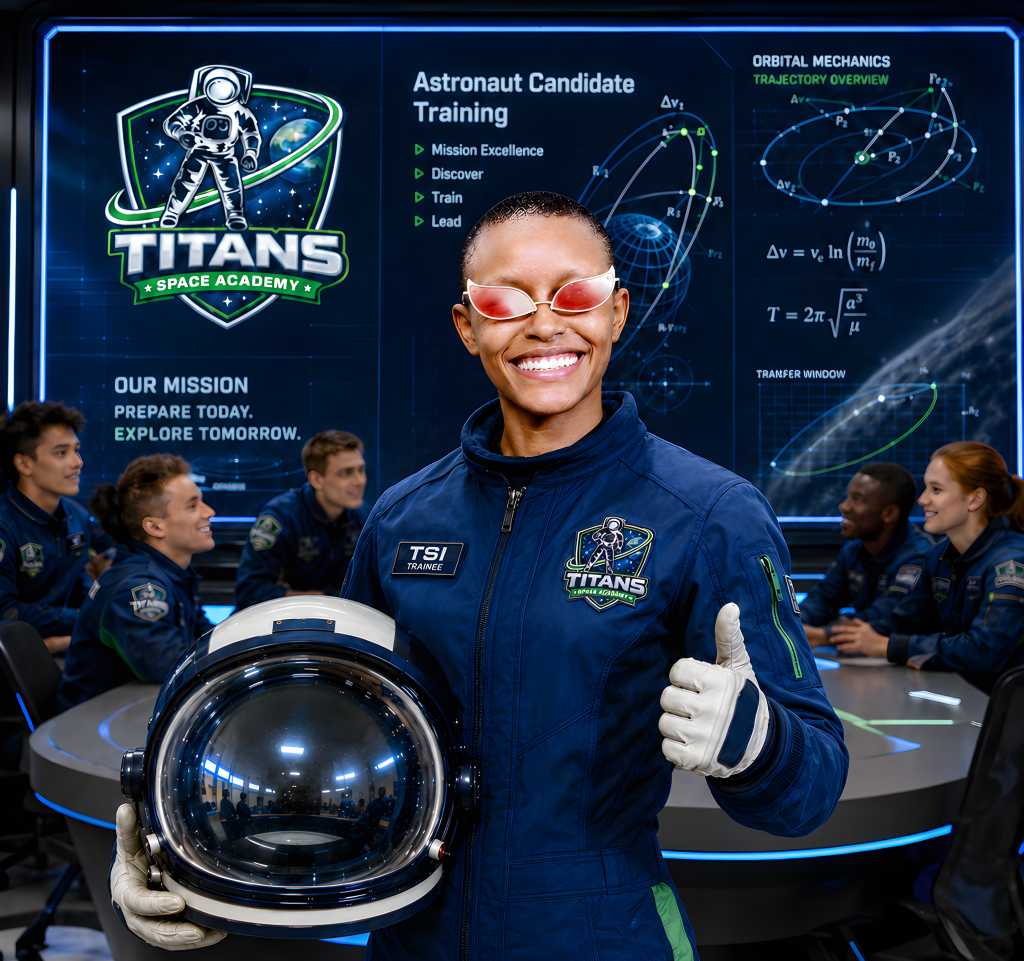
Outside my dissertation, I do independent research on interplanetary logistics, which asks how we can move people, cargo, and fuel efficiently between Earth, the Moon, and beyond.
How did you end up in this aerospace engineering field?
I grew up in Nairobi. When I was about 4 years old, I was out walking one night and got stuck on a very stubborn question. Why does the Moon keep following me? It sounds small, but it never let me go. I started noticing everything up there, and all that vastness never made me feel small. It made me feel like nothing was off-limits. I have always been drawn to the things people assume are impossible, and space was the biggest one I could find.
The wonder turned into a mission when I was 15. I was visiting Florida with family and watched my first rocket launch in person, the final flight of the Space Shuttle program in July 2011. Two thoughts hit me almost at once. First, this is real, not science fiction. Second, a harder question. Florida launches rockets partly because being closer to the Equator gives them a free boost from the Earth’s rotation, and Kenya sits on the Equator, where that boost is about 465 m/s. So why was none of this happening back home? That question eventually became the Omega Spaceport.
I went on to study Aerospace Engineering at Embry-Riddle Aeronautical University in the United States. I earned my Bachelor’s degree in 2020 with a minor in Space Operations, and my Master’s degree with distinction in 2021, focused on the dynamics and control of aerospace vehicles. While I was still a master’s student, with no starting capital, I founded Vicillion.
After graduating, I went into industry to learn how real aircraft and spacecraft are designed, tested, and certified. From 2022 to 2024, I worked at Gulfstream Aerospace in Savannah, Georgia, as an airworthiness and certification engineer and later as a functional lead. I also worked as an aerospace controls engineer at Switched Source, and as Director and Aerospace Engineer at SPARC (K), an independent Kenyan space company.
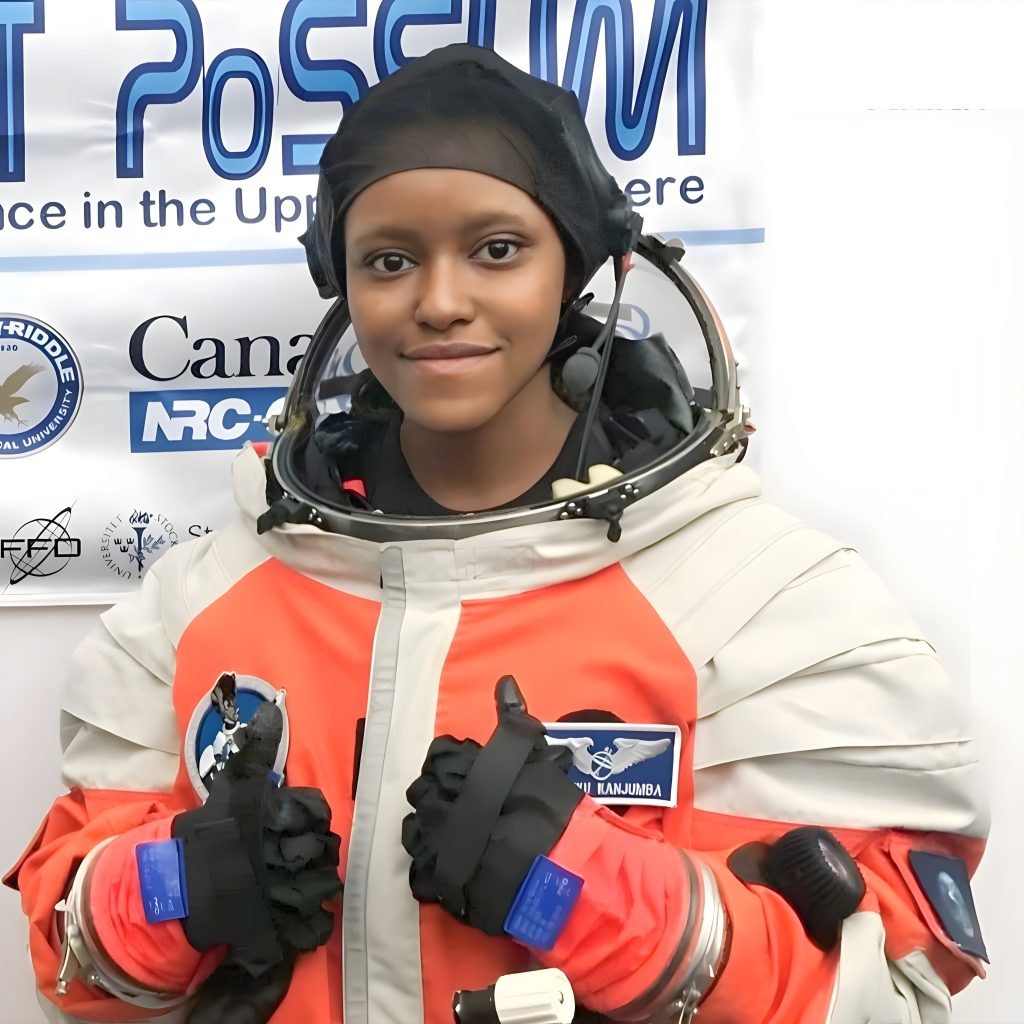
I then returned to academia for my Ph.D. at the University of Florida, while continuing to build Vicillion. Along the way, I trained with Project PoSSUM, becoming the first Kenyan-born graduate of its Advanced PoSSUM Academy. I was also selected by Titans Space as an Astronaut-Candidate. That 4-year-old asking about the Moon is still the one doing most of the work.
Let’s talk about some of the most challenging moments you have faced while on this aerospace engineering journey
I have often been the only woman in the room, and a lot more often the only African. I made a decision early not to dwell on it. I never notice it unless someone points it out. I cannot control who else is in the room, but I can control what I do and how I react. So that is where I put my energy.
The idea itself has been a challenge. When I say Kenya should host a commercial spaceport, the first reaction is often doubt. I learned to stop arguing and let the work argue for me, through the physics, through peer-reviewed research, and through the partners who choose to sign on.
Building a company from nothing is hard. I started Vicillion as a graduate student with no capital. Hearing “no” from programs and investors is part of the job. Each “no” has taught me something about how to make the case more clearly.
Finally, there is the simple challenge of time. Doing a Ph.D., running a company, and training as an Astronaut-Candidate all at once means I have had to become very deliberate about what I say yes to.
What are some of your sources of inspiration, especially when faced with challenging moments?
The mission is bigger than me. I do not believe Kenyans do not want to be part of space. I believe they have never been properly invited. Every time I picture a young person in Kenya watching a launch from our own coast, I find the energy to keep going.
History inspires me too. Few people know that Kenya already has space heritage. In the 1960s, the Italian San Marco platform off our coast near Malindi launched satellites into orbit from the Equator. We are not asking the world to take a leap of faith on Africa. We are asking it to notice what was already true.
I am also carried by people. My mentors, including my Ph.D. advisor, have pushed me to be rigorous, and the communities I belong to, from the Space Generation Advisory Council to Women in Space Kenya, remind me I am not doing this alone. And my martial arts training has taught me that discipline outlasts motivation. On the days motivation runs out, discipline keeps me moving.
Tell us about some of the most prestigious moments you have encountered while building your career
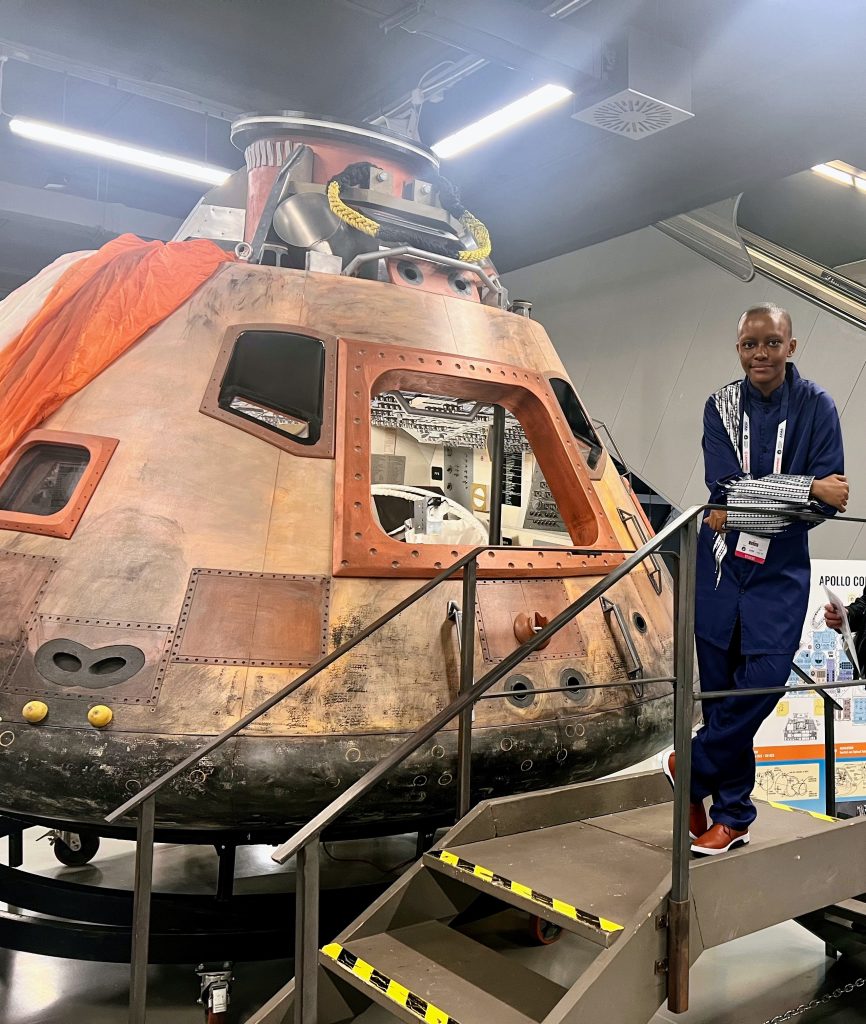
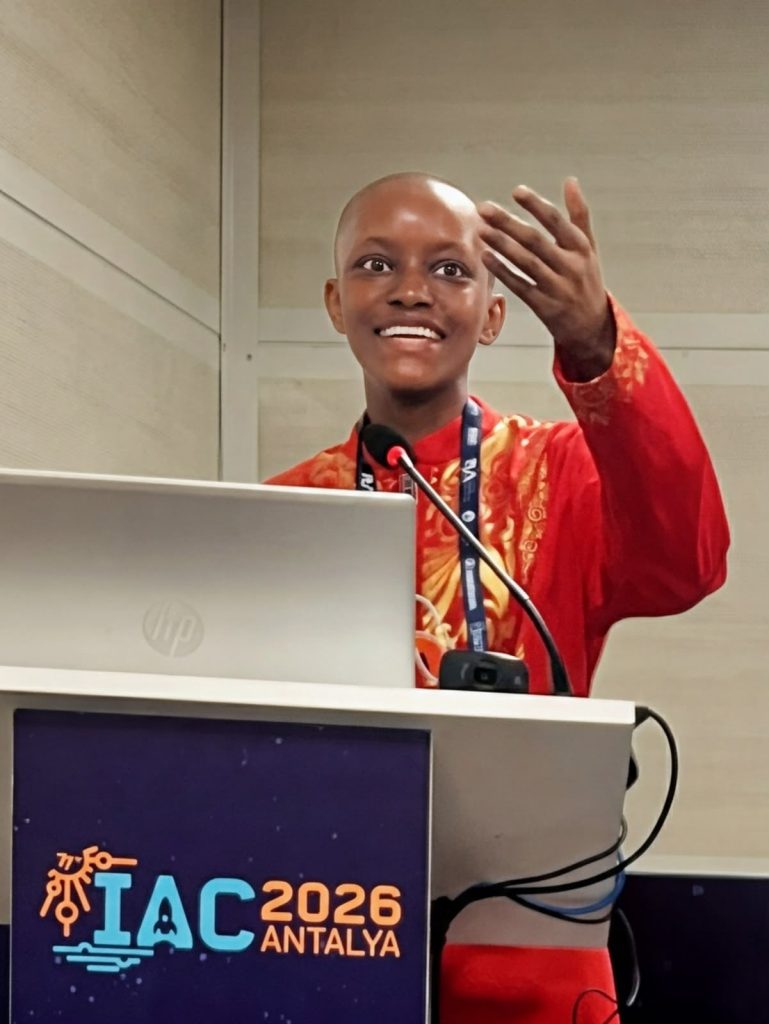
Who is Wanjiku outside of the walls of aerospace engineering?
I am a martial artist, and I hold black belts in Taekwondo and Karate, and recently started a new martial art, Cuong Nhu.
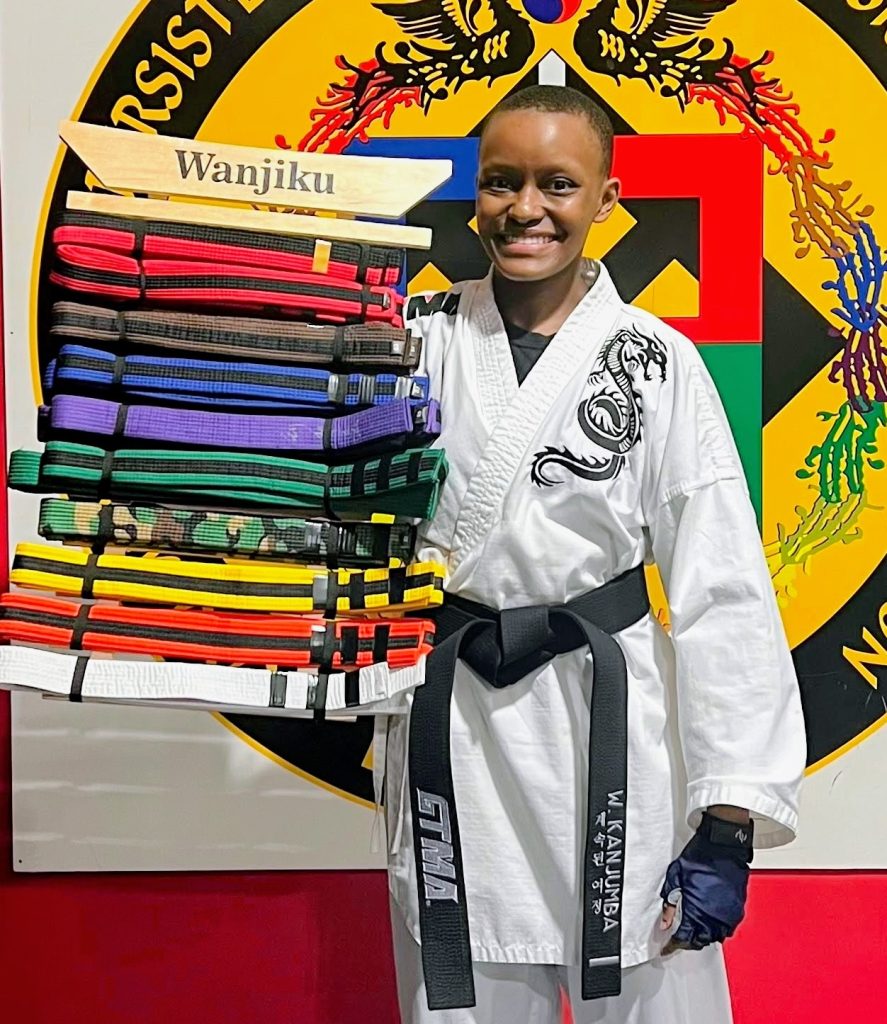
I also fence, practice archery, swim, play golf, kayak, play the piano, and read whenever I can.
One of my friends from early university days nicknamed me “Dr. Whack”. W, C, and K are my initials of my full name, and the HA (keeps the number #3 for the initials and) stands for Highly Audacious, Humanity’s Advocate, and a good laugh to describe my personality in a few words. The “Dr.” is a reminder of my goal to earn my doctorate one day.
I spend a lot of my free time mentoring young Africans who are curious about space careers. Someone once took the time to answer my questions, and I want to pay that forward.
What is your favourite quote?
“Do not worry about what others are doing. Be yourself. As long as you have a functioning brain, get it done.” ~ My father.
“If you don’t take risks, you can’t create a future” ~ Monkey D. Luffy
What is your word of encouragement for a young girl interested in aerospace engineering?
Space is not reserved for other people, other countries, or other budgets. You are standing on one of the best places on Earth to reach for it. Africa’s position on the Equator is a real, physical advantage, and the industry is going to need people who understand it.
Start where you are and use what you have. You do not need a laboratory or a rocket to begin. You need curiosity, a notebook, and the courage to ask the stubborn questions.
Learn your mathematics and physics well, because they are the language of this field.
Find one mentor and one community, and do not be shy about sending that first email or message. Most people in this field are happy to help someone who is serious.
You will sometimes be the only girl in the room. Let your work speak for you, keep your eyes on the mission, and remember that being first means you are making the path easier for the girl who comes after you.
What a wonderful session! Thank you so much for sparing the time to work on this interview with us. We look forward to learning more about your work and celebrating all your future success. Wishing you the best.


